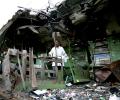
The investigation for 7/11 blast in which 189 people died was under question mark from the very first month after the Mumbai Anti-Terrorism Squad started arresting the accused from different parts of city. Within 10 days of blast by July 22, 2006, ATS arrested all the 13 terror accused in the case under the leadership of ATS chief, K P Raghuvanshi.
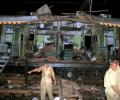
Seven years after the Mumbai serial train blasts in which nearly 200 people were killed and over 700 injured, the trial in the case is still going on with the special Maharashtra Control of Organised Crime Act court recording the statements of the accused. "The court is now recording the statement of the accused who wanted to depose as a defence witness in the case," said advocate Sherif Sheikh, appearing for some of the accused in the case

The case took a twist when the defence lawyer sought to call Indian Mujahideen co-founder Sadiq Sheikh as a defence witness after he told the police in 2008 that IM members were responsible for all the blasts that had occurred in India since 2005 including the July 11, 2006 train blasts.
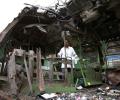
A Special MCOCA court has convicted 12 of the 13 accused in the July 11, 2006 Mumbai suburban train bombings in which 188 people were killed.

Pronouncing the verdict, the special Maharashtra Control of Organised Crime Act (MCOCA) court judge Yatin Shinde sentenced to death Faisal Sheikh, Asif Khan, Kamal Ansari, Ehtesham Sidduqui and Naveed Khan who planted the bombs in various trains.

What happened to us should not happen to anyone else in future. A strong message has to be sent by our judicial system that such acts will not be dealt with lightly," said one of the victim's father.

'Modi has missed the bus in Kashmir.'
 © 2026 Rediff.com - Advertise with us - Disclaimer - Privacy Policy - Sitemap - Feedback - About us - Terms of use - Grievances